
Pre-Cooling Rooms (Rapid Cooling)
Pre-cooling is a specialized refrigeration process designed to remove field heat from agricultural products immediately after harvest. Unlike standard cold storage, which maintains a consistent temperature, pre-cooling rooms are engineered to bring produce, such as grapes and oranges, down to 0 ℃ within a specific, short timeframe.
This process is a standard requirement for maintaining the integrity of the cold chain before products are moved to long-term cold storage or prepared for transport.
Function and Purpose
The primary objective of rapid cooling is to slow the natural deterioration of perishable goods. A core temperature of 0 ℃ is achieved quickly, so the biological processes of the produce – such as respiration and ethylene production – are significantly reduced.
- Temperature Reduction: Designed to handle high heat loads to reach target temperatures rapidly.
- Moisture Retention: Controlled airflow helps maintain humidity, preventing produce from drying out during the cooling cycle.
- System Integration: Rapid cooling rooms serve as an intermediate step between the field and the final storage or shipping phase.
Technical Features
Egy Foam constructs precooling rooms using high-density polyurethane (PUR/PIR) sandwich panels to ensure thermal stability. The design focuses on:
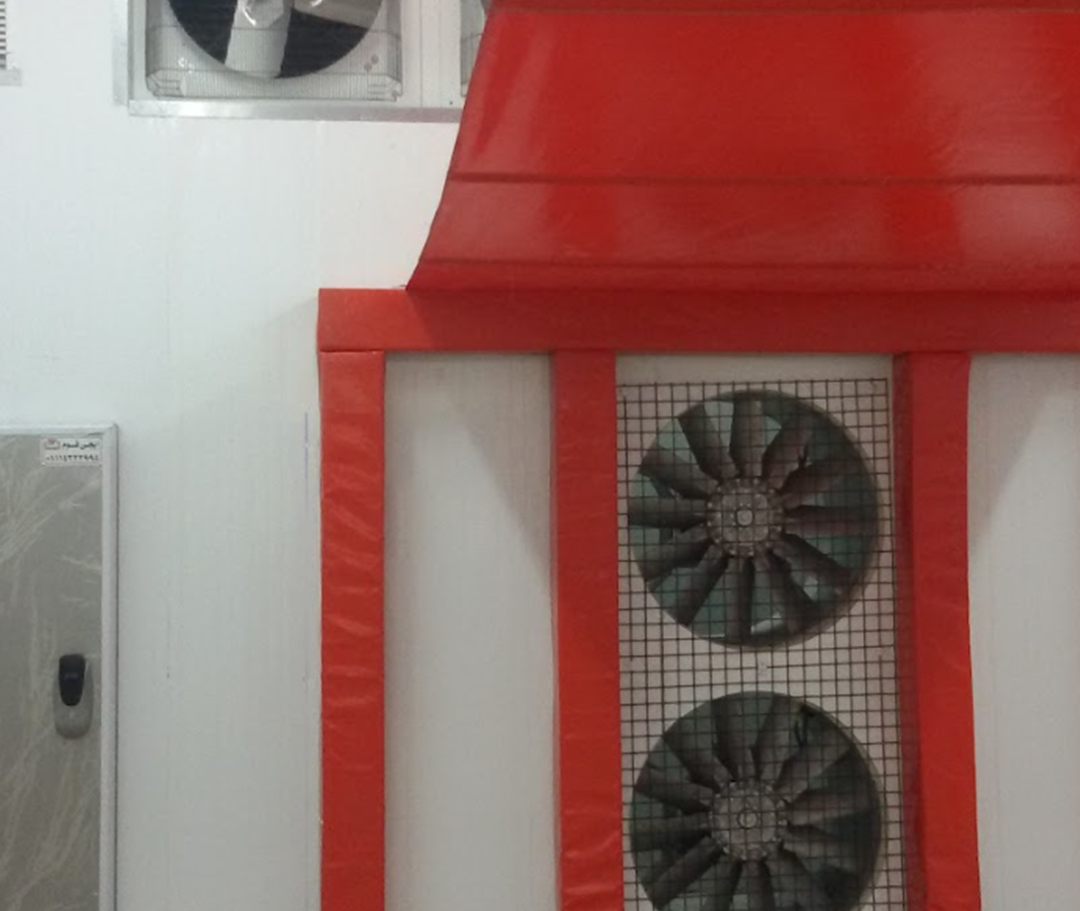
- High-Velocity Airflow: Specialized fans move air through pallets and crates to ensure even cooling of the core product.
- Insulation Integrity: Tongue-and-groove panels minimize thermal transfer, allowing the refrigeration system to work efficiently under heavy loads.
- Standard Compliance: Built to meet the technical requirements of local and international agricultural export standards.
Applications: Post-Harvest Centers
Pre-cooling rooms are primarily utilized within Post-Harvest Centers. These facilities serve as the central point for processing agricultural goods for the Egyptian domestic market and international export.
- Grapes and Citrus: Essential for bringing grapes and oranges to stable temperatures to prevent spoilage during transit.
- Export Logistics: Provides the necessary temperature drop required before loading into refrigerated containers (reefers).
- Vegetable Processing: Used for a variety of leafy greens and vegetables that require immediate heat removal to maintain firmness and weight.