
Freezing Tunnel Rooms
Freezing tunnel rooms, or blast freezers, are specialized industrial environments designed for rapidly reducing product core temperatures. These freezing rooms are engineered to meet the specific cooling requirements of the Egyptian food processing and agricultural sectors, ensuring products reach a stable frozen state within a defined timeframe.
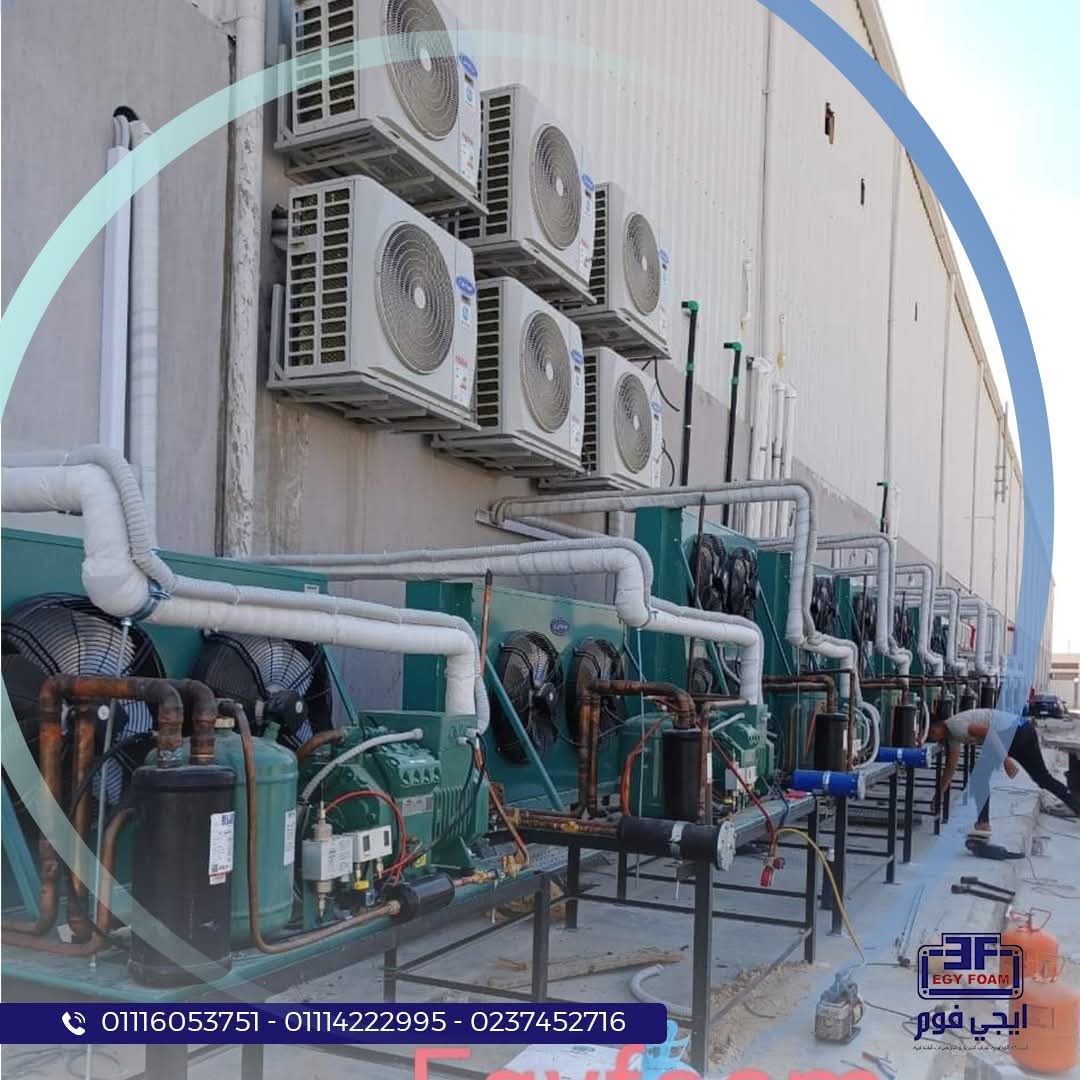
Technical Specifications
The efficiency of a freezing tunnel depends on its ability to maintain extreme thermal conditions while managing airflow.
- Temperature Range: Designed to operate at temperatures reaching -40°C.
- Airflow Management: Uses high-velocity air circulation to ensure uniform heat dissipation across all product surfaces.
- Insulation: Constructed using high-density polyurethane (PUR) sandwich panels to maintain thermal barriers and reduce operational load.
- Structural Integrity: Built with materials resistant to the thermal stress caused by significant temperature fluctuations.
Applications
Poultry and Meat Slaughterhouses
In meat processing facilities, freezing tunnels are used to comply with food safety regulations regarding core temperature.
- Bacterial Inhibition: Rapid cooling to -40°C stops the growth of microorganisms immediately after slaughter.
- Structural Preservation: The speed of the freezing process prevents the formation of large ice crystals, which helps in maintaining the texture and moisture content of the meat.
- Compliance: Designed to meet the hygiene standards required for both domestic distribution and international export.
Postharvest Centers
For the Egyptian agricultural export market, managing the temperature of produce postharvest is essential for long-distance logistics.
- Blast Freezing for Produce: Ideal for fruits and vegetables destined for the frozen food sector, locking in nutritional values at the point of harvest.
- Export Readiness: Prepares seasonal crops for transit by reaching deep-freeze temperatures that stabilize the product for sea or air freight.
- Volume Handling: Engineered to accommodate various batch sizes and loading configurations common in postharvest facilities.
Construction and Design Features
- Panel Thickness: Specialized panel thicknesses are used to accommodate the -40°C temperature differential.
- Floor Reinforcement: Reinforced, insulated flooring designed to support the weight of heavy trolleys and racking systems.